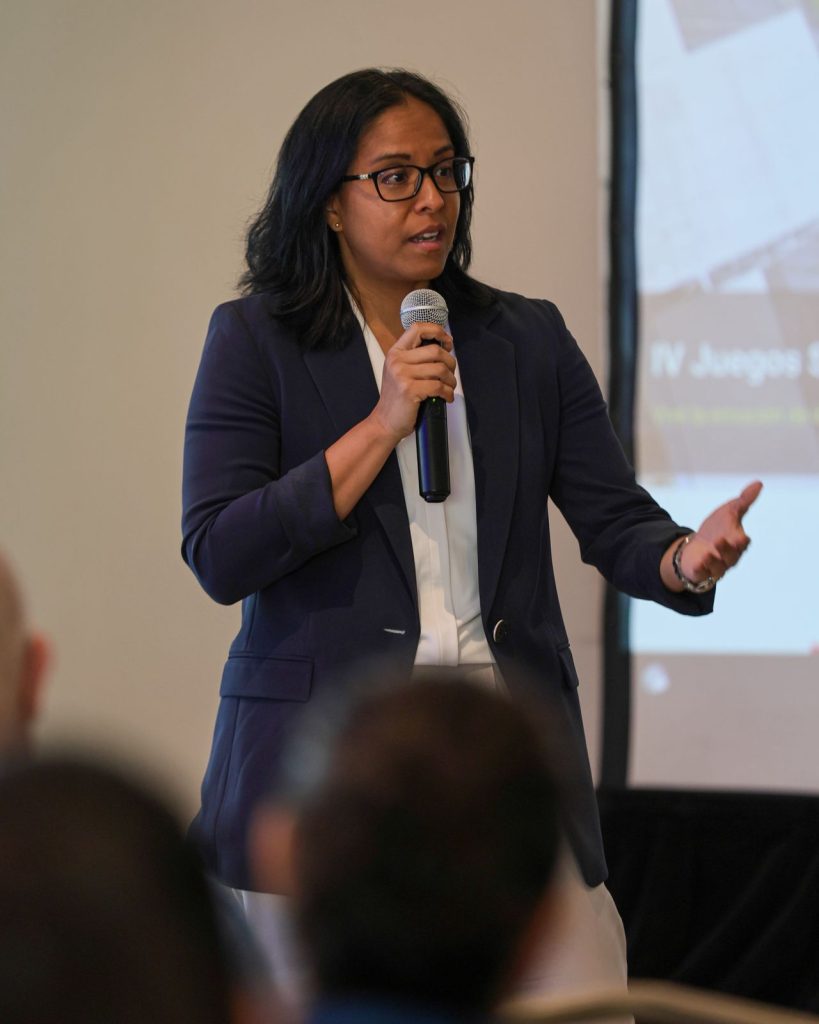
As part of the preparations for the IV South American Youth Games Panama 2026, the Sports Medicine Congress has begun. This high-level event brings together medical staff from the national and international delegations, as well as Damaris Young, president of the Panamanian Olympic Committee (COP) and member of the International Olympic Committee (IOC), to discuss medical capabilities for the comprehensive care of young, high-performance athletes. We spoke with representatives of the organizing committee, who emphasized that strengthening sports medicine is fundamental to guaranteeing safe and healthy environments for our young athletes.
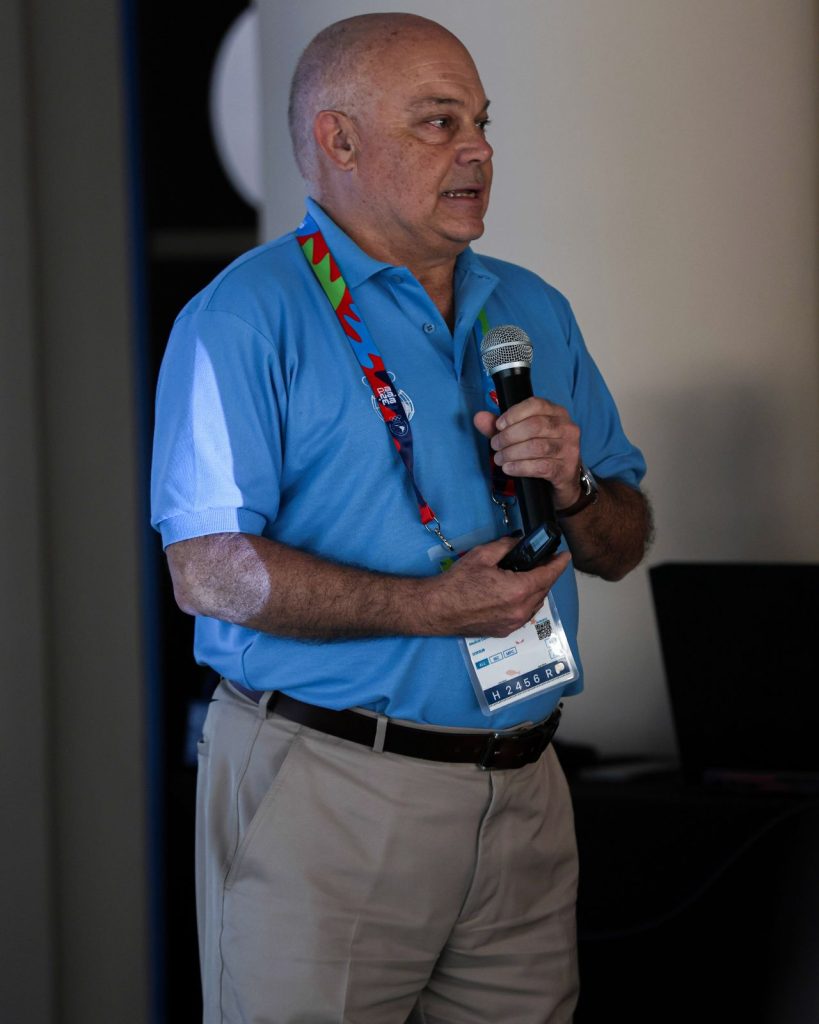
We are with Dr. José Veloso, president of the ODESUR Medical Commission.

We are at this congress, where the medical aspect is important, so that the athletes, all the delegations, know exactly what is required to compete in these South American Games, which will be held for the first time on Panamanian soil.

"Good morning." For the ODESUR Medical Commission, aside from being an honor, it highlights something very important: the consolidation of the event organization, such as the Fourth South American Youth Games being held here in Panama City, Panama. Starting with the Medical Congress is an idea that has always been in the minds of the ODESUR Executive Council Presidency. Other major sporting event organizations also do this, but what we're combining here is working with the entire medical and healthcare team of the Panamanian Olympic Committee and with the international guests. We're very comfortable and pleased with the organization and care processes, as the topics to be addressed are diverse in terms of healthcare, medical coverage, and compliance with anti-doping regulations regarding the protection of the sports field and the competition venues.

These games take on special significance for the ODESUR Medical Commission precisely because they would be the first under the new system, in which the participants are younger. There are a whole series of legal considerations regarding medical assistance and doping control, which we have seen is very well handled by the organization. This fills us with joy because we had the opportunity to be here twice, speak with the President of the Panamanian Olympic Committee, Dr. Tamara Guillón, and with Dr. Daniel Batista. After that, we began to coordinate a series of activities and see how to proceed, starting with the Medical Congress where we can connect and establish a roadmap, a course of action with the medical representatives of the 15 Olympic Committees that are part of ODESUR, in order to create a much more consistent Medical Commission.
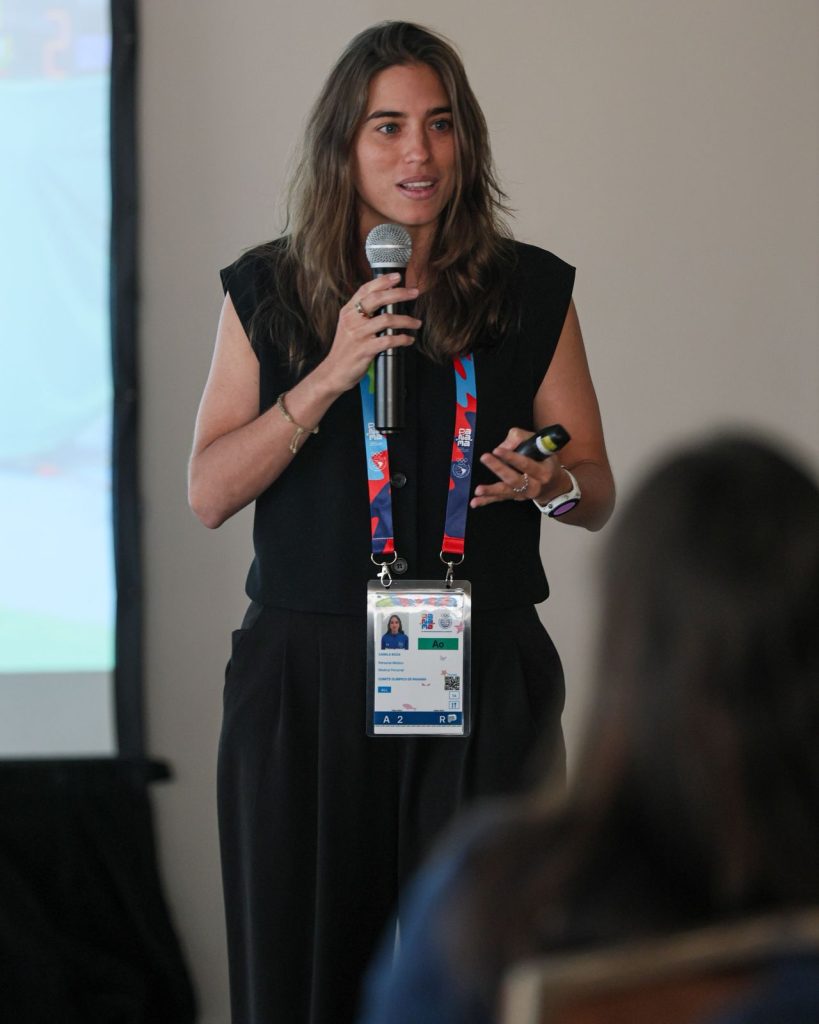
Now, we’re with Camila Boza, part of the Sports Psychology team for these Games.
The importance of an athlete having, let’s say, the ability to overcome adversity, that pressure, especially when we’re talking about young people.
How important is psychology for these young people?
“Psychology is extremely important because, as you just said, many things happen in competitions that the athlete has to be prepared for often, people think that you only have to train the physical, technical, and tactical aspects, and we forget that the mental aspect encompasses absolutely everything. Even if you’re incredibly well-prepared and facing a competition where you have everything—you’ve trained a lot, you have your times, you have everything—if, when you face the competition, there’s an issue of unregulated emotions, an issue of adversity, something happens, and now what do we do? That can fill the athlete with anxiety or cause them to lose confidence.”
“We have to be prepared for everything.” “In other words, many things can happen, and if the athlete isn’t mentally prepared, it doesn’t matter how much tactics, technique, or physical ability they have; if the mental aspect isn’t there, it won’t support them. So, in the end, I would say that the mental aspect encompasses everything, and if that isn’t worked on, it can be more difficult or more challenging for the athlete to face difficult situations,” commented psychologist Boza.
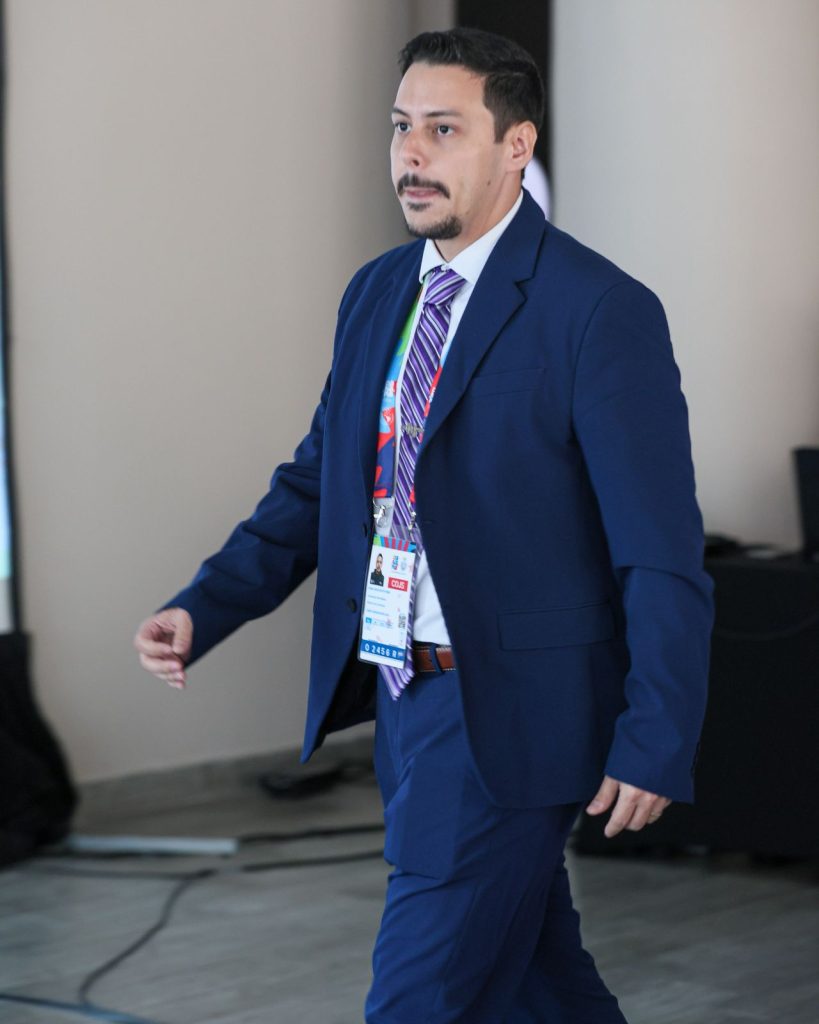
We are with Dr. Daniel Batista, head of Medical Services for the Panama 2026 Youth Games.
We’d like him to tell us a little more about this medical congress leading up to the South American Games, which are about to begin in our country, Panama. He emphasized the importance of bringing together all the delegations, or at least a large part of them, to discuss all the details of medical management for the Games.
“That’s right, thank you very much. This is an inter-institutional congress. It’s designed for the 15 countries participating in these Games, and we’re discussing psychological, nutritional, and medical issues for all the personnel accompanying the various delegations,” Dr. Batista explained.
The exchange of knowledge seeks to raise the technical level of the support teams that will accompany the delegations in 2026 to protect not only the physical integrity, but also the emotional well-being of the protagonists of the Games.


